
About
Forty Years at the Threshold
Emergency medicine. Bioethics. Humanitarian work. Writing that refuses to look away.
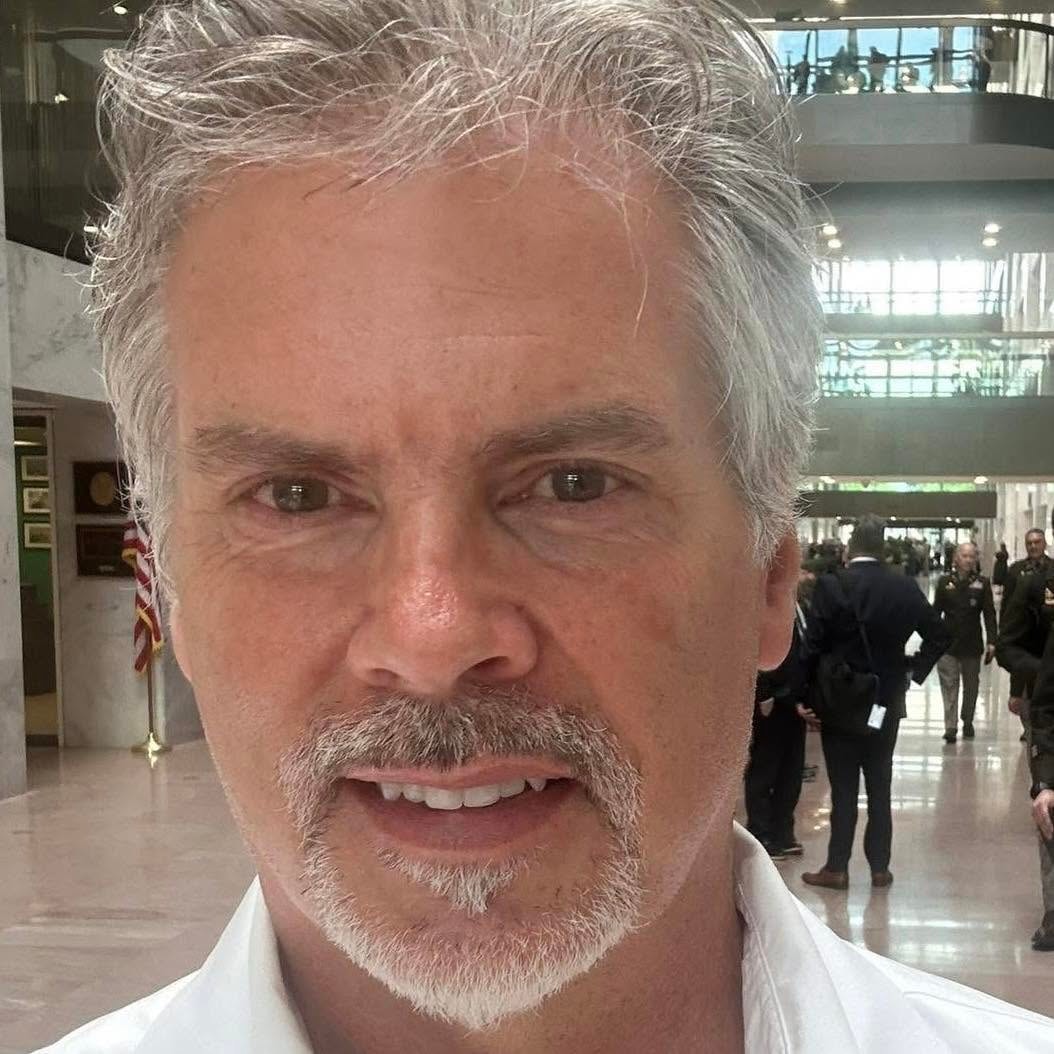
Dr. Mark Brauner
Dr. Mark Brauner, DO, FACEP, is an emergency physician, writer, speaker, bioethicist, and humanitarian physician whose work lives at the intersection of medicine, conscience, and human presence. For more than forty years, he has stood at the bedside of people in crisis, first as an EMT and paramedic, and later as a board-certified emergency physician, flight physician, medical director, and bioethics chair. His career has been shaped by the raw, unfiltered places where human beings meet fear, pain, grief, uncertainty, trauma, and sometimes grace.
Through that long apprenticeship in emergency medicine, he has become a fierce advocate for a kind of doctoring that is technically excellent, morally awake, emotionally honest, and relentlessly human. His writing and speaking explore what he calls hard doctoring: the difficult inner and outer work of caring for people when the stakes are high and the answers are not simple. His work examines presence in medicine, moral injury, physician identity, nursing, trauma, medical ethics, reassurance, bias, AI in healthcare, humanitarian medicine, and the quiet sacredness of showing up fully for another human being. He writes not from abstraction, but from the resuscitation room, the night shift, the ambulance bay, the ethics consult, the disaster zone, and the bedside where medicine becomes more than treatment. It becomes witness.
"The emergency room is not a place where medicine happens to people. It is a place where medicine happens between people, and that difference is everything."
From On Hard Doctoring
In 2025, Dr. Brauner served in Gaza at Nasser Hospital in Khan Younis, an experience that profoundly deepened his commitment to humanitarian medicine and public moral witness. Since then, he has written and spoken widely about Gaza, famine, civilian suffering, medical neutrality, and the ethical obligations of physicians in the face of atrocity. His advocacy is rooted not in ideology, but in a simple and uncompromising belief: that no human being should disappear from our circle of concern, and that medicine loses its soul when it becomes silent in the presence of mass suffering.
Before medicine consumed him entirely, Dr. Brauner was also an inventor and entrepreneur. As an undergraduate at Indiana University, he conducted biomedical research under Howard Hughes Research Grants and Cook Inc. design awards, resulting in United States Patent #5,803,078 and additional patents in pulmonary drug delivery, vascular access, and airway devices. He later co-founded three companies: BlueMarble Telecom, KP Pharmaceutical Technology, and Resuscitation Technologies, each rooted in the conviction that the tools of medicine could be made better, more accessible, and more humane. That instinct, to build rather than simply practice, runs through everything he does.
His forthcoming book, On Hard Doctoring, is a deeply personal and philosophical exploration of emergency medicine, moral courage, clinical presence, and the hidden emotional architecture of a life spent caring for strangers. It is part memoir, part ethical meditation, part field guide for clinicians who still want to feel something without being destroyed by what they feel. Through his website, newsletter, essays, speaking engagements, and future projects, Dr. Brauner is building a home for a larger conversation about what medicine has been, what it is becoming, and what it must remember before it is too late.
At the heart of his work is a single conviction: medicine is not only a science, a profession, or a system. It is a human covenant. And the future of healthcare will depend not only on better technology, better policy, or better protocols, but on whether we can still look directly at suffering and refuse to turn away.
Formation & Work
- Credentials
- DO, FACEP, Board-Certified Emergency Physician
- Early Career
- EMT, paramedic, flight physician, medical director
- Clinical Practice
- Emergency medicine, more than forty years: urban trauma centers, rural hospitals, humanitarian settings
- Humanitarian Work
- Nasser Hospital, Khan Younis, Gaza (2025); Senior Medic, Global Medical Flotilla, Tunisia (2025); first US attending and early primary fundraiser, inaugural emergency medicine residency, Maputo, Mozambique (2019); Haiti (2011, 2012); Tanzania; Mexico
- Bioethics
- Bioethics chair, clinical ethics consultation, ethics committee service, medical ethics education
- Writing & Speaking
- Essays, grand rounds, medical conferences, humanities in medicine, ethics forums
- Entrepreneurship & Patents
- Co-founder: BlueMarble Telecom, KP Pharmaceutical Technology, Resuscitation Technologies. US Patent #5,803,078 and others in pulmonary drug delivery, vascular access, and airway devices
What Drives the Work
- 01The discipline of presence: truly seeing the patient in front of you
- 02Moral injury and what medicine asks physicians to absorb in silence
- 03AI, algorithms, and what cannot be automated in the clinical encounter
- 04Humanitarian medicine and the ethics of bearing witness
- 05Nursing and the invisible labor that holds medicine together
- 06Physician identity, burnout, and the long cost of caring
- 07The sacred weight of human vulnerability
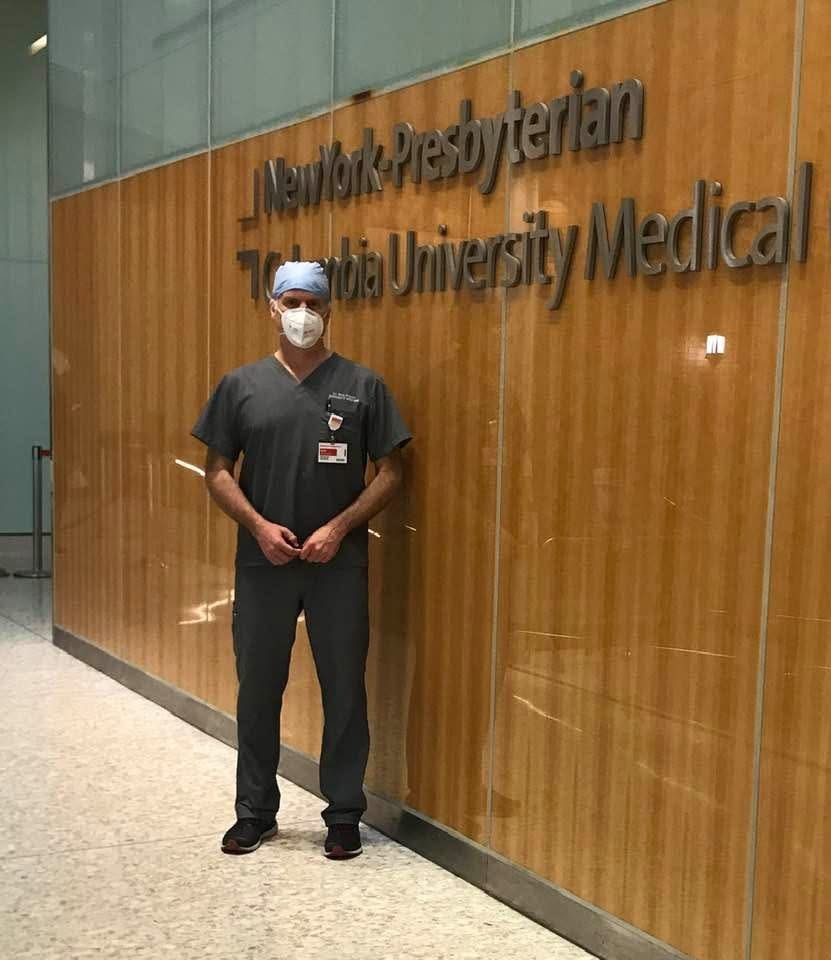
Spring 2020
Into the Center of It
In the early spring of 2020, as New York City became the American epicenter of COVID-19, I left Oregon and flew east to work at NewYork-Presbyterian Columbia University Medical Center. The emergency department was overwhelmed. I went because that is what emergency physicians do. You do not wait for the situation to become manageable. You go toward it.
The work was unlike anything I had encountered in forty years of emergency medicine -- not in its clinical demands alone, but in what it asked of everyone present. The fear was real. So was the commitment. What I witnessed and learned at the height of the surge was not something to keep.
I brought that knowledge back to Oregon and became heavily involved in writing critical COVID protocols -- work that shaped how my hospital responded to the pandemic. That experience, the moral weight of it, the grief, and the clarity it forced, is part of what drives the writing and the speaking today.
Initiative
Prevent EM Suicide
Emergency medicine carries some of the highest rates of suicide and burnout in the entire medical field. Physicians die by suicide at 1.5 times the rate of the general population. For women physicians, that rate is more than double. Dr. Brauner created PreventEMSuicide.com as a movement built by emergency physicians, for emergency clinicians: to break the silence, collect the truth through the largest anonymous survey of EM professionals ever attempted, and provide life-saving support for colleagues who are suffering. The causes are complex but the patterns are clear: moral injury, chronic sleep deprivation, stigma, fear of losing licensure, and exposure to trauma without debrief or support. This is not a resilience problem. It is a systems problem. And it demands an honest response.
Visit PreventEMSuicide.com